Continuing education unit

🎓 About the Continuing Education Unit

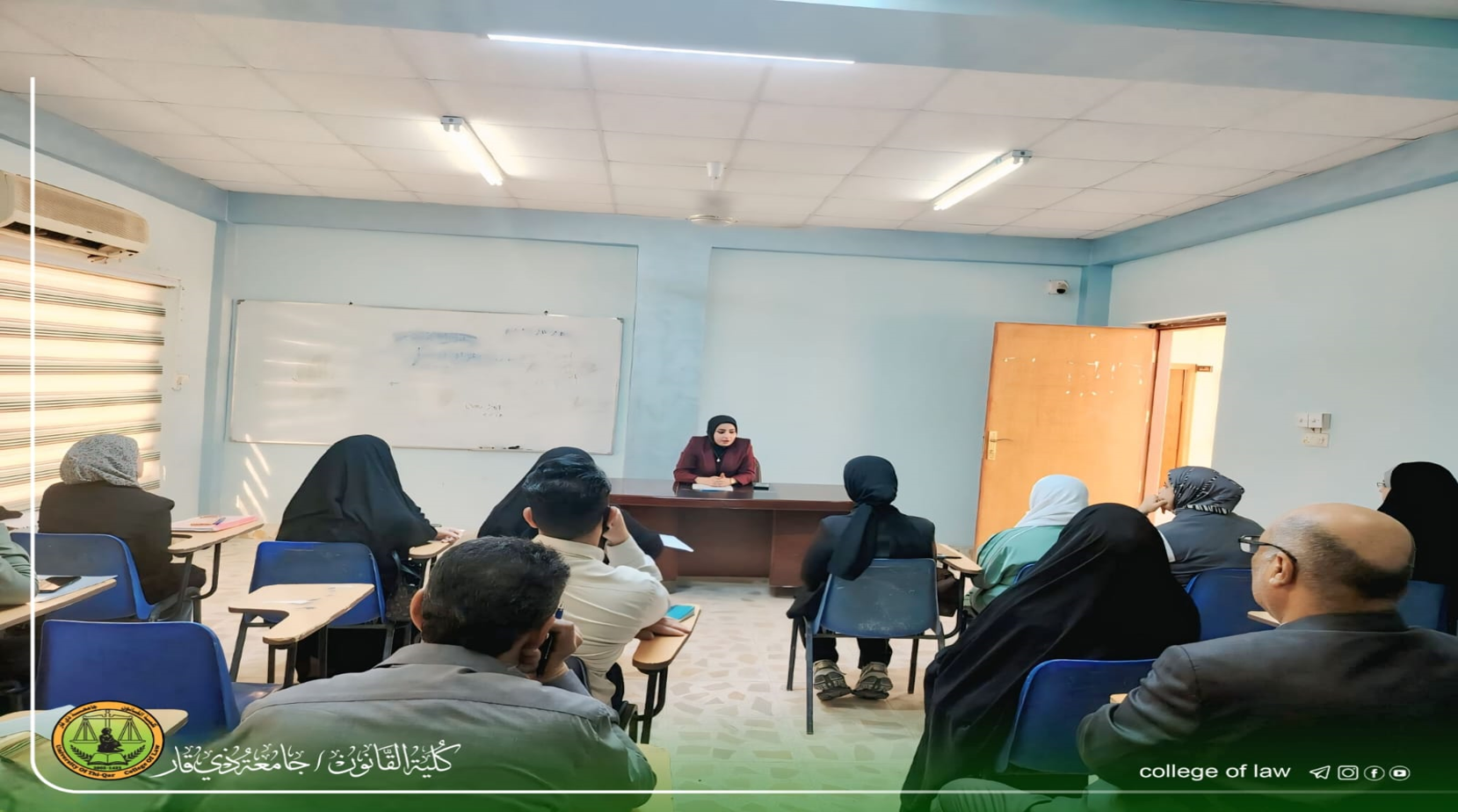
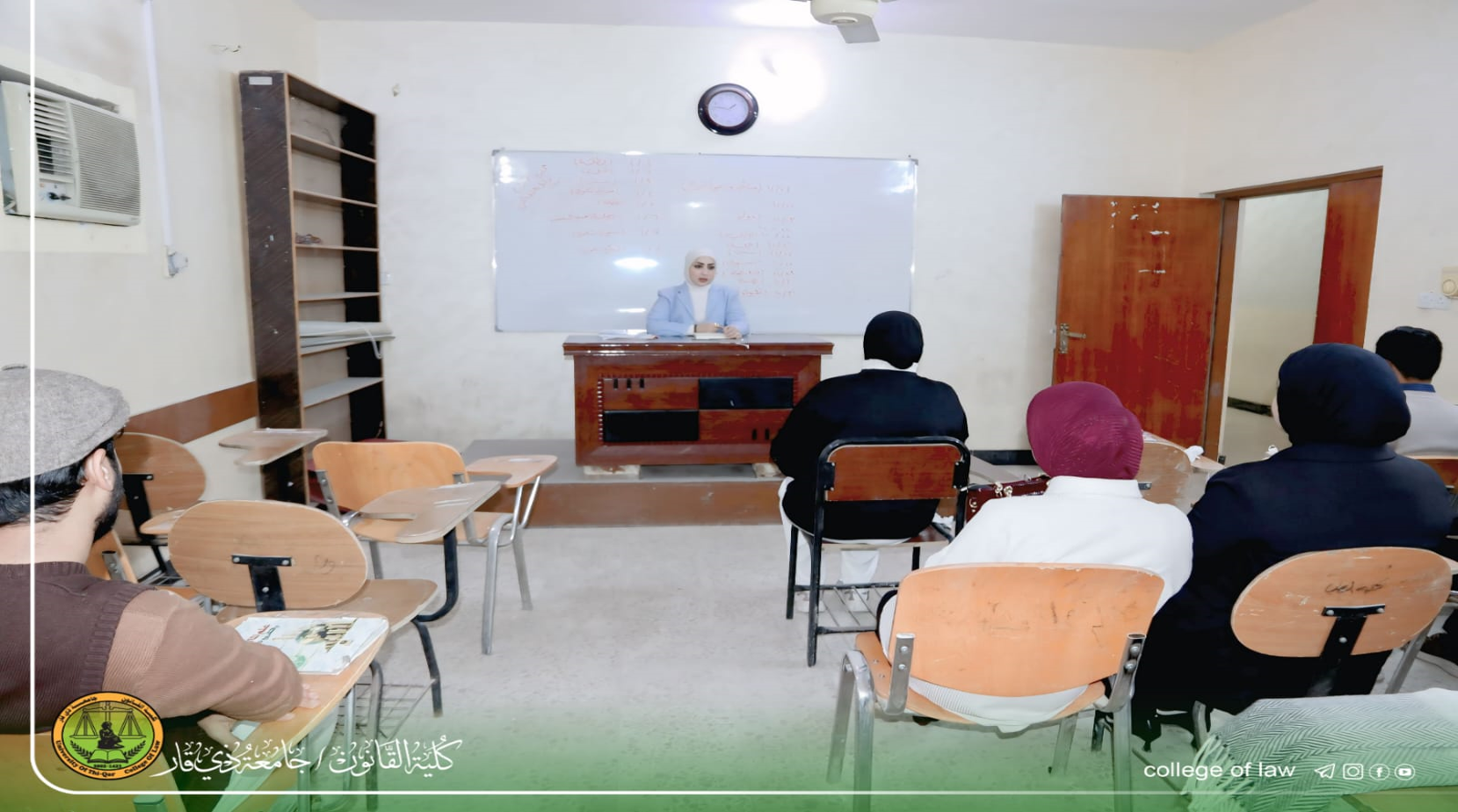
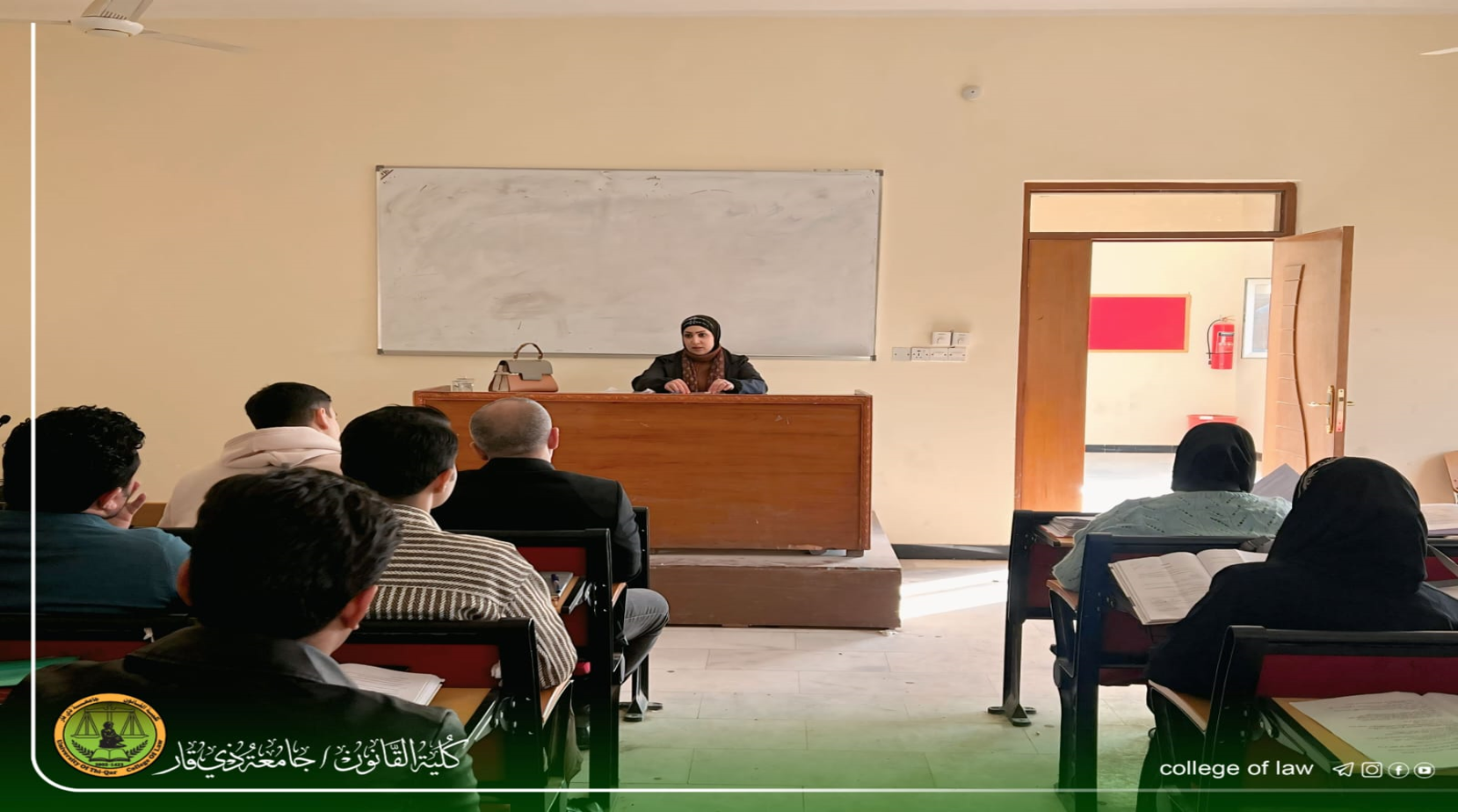
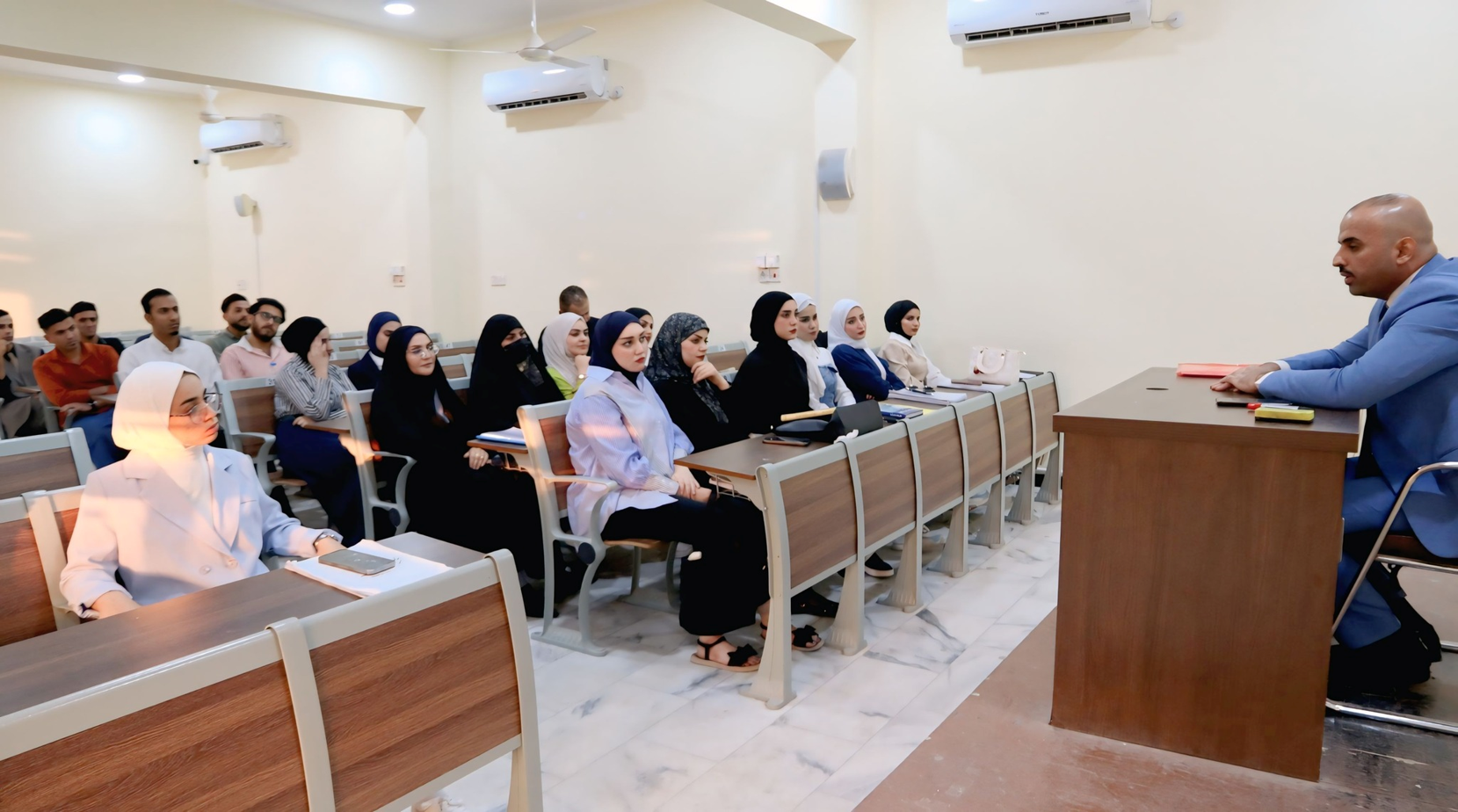
The Continuing Education Unit is a vital administrative and educational unit in colleges and universities. It serves as the institution's outreach arm, extending its reach to the surrounding community and the job market, and transcending traditional academic boundaries.
* Its core objective is to develop human resources and provide ongoing educational and training opportunities for non-students (graduates, employees, and community members).
* Mission: To bridge the gap between educational outcomes and the labor market, and to provide the specializations and skills required for career advancement and personal development in line with the rapid developments in knowledge and technology.
* Characteristics: Its programs are typically characterized by flexibility, short duration, and a focus on practical and applied skills.

🎯 Main tasks and functions of the Continuing Education Unit

The unit undertakes several key tasks to achieve its objectives, most notably:
1. Planning and Designing Training Programs
* Needs Assessment: Conducting ongoing surveys and assessments of labor market needs and various sectors (public and private) to identify required skills.
* Content Development: Designing and developing the content of courses, workshops, and seminars to be practical, targeted, and meet identified needs.
* Diversification: Providing a variety of programs including (languages, computer and software, management, accounting, leadership skills, and specialized professional courses).
2. Implementation and Operational Management
* Course Organization: Advertising programs, registering participants, scheduling dates, and providing training rooms and materials.
* Selecting Instructors: Contracting with specialized and highly qualified instructors, whether from within or outside the college.
* Managing Examinations and Evaluation: Establishing standards for evaluating trainees and awarding official certificates accredited by the college/university upon successful completion of the program.
3. Community and Institutional Service
* Community Partnerships: Building collaborative relationships and partnerships with governmental and private institutions to offer specialized and tailored training programs for their employees.
* Raising Awareness: Organizing public educational conferences and seminars, either free or at nominal fees, to increase awareness of societal issues and scientific developments.
4. Research, Development, and Evaluation
* Quality Monitoring: Evaluating the quality of courses offered through participant and trainer feedback surveys to ensure continuous improvement.
* Updates: Regularly reviewing program content to ensure it remains up-to-date with the latest global technologies and best practices in the field.

Design and preparation
Eng. Furqan Adel MohseN

Design and preparation
Eng. Furqan Adel Mohsen

Contact Us

We're not around right now. But you can send us an email and we'll get back to you, asap.

Start typing and press Enter to search